
A dental emergency has a way of striking at the worst possible moment. One second you are enjoying a meal or laughing with friends, and the next you are dealing with sharp pain, a broken tooth, or worse. While calling an emergency dentist is absolutely the right move, what you do in those first critical minutes can make a tremendous difference in the outcome.
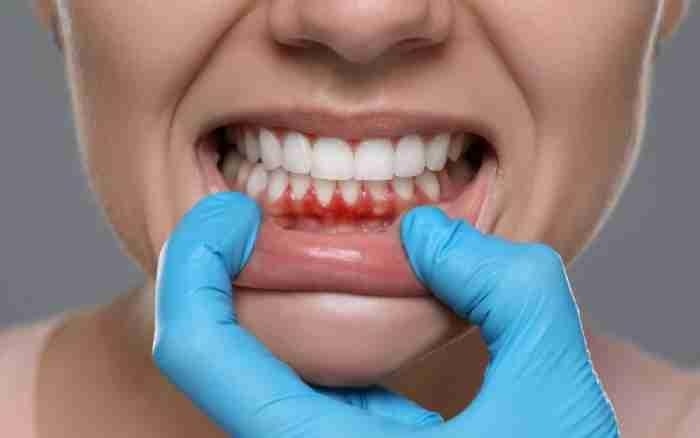
Things to Do Before Calling an Emergency Dentist
Fortunately, a little knowledge goes a long way when your tooth is in crisis. Need help? Contact emergency dentist Raleigh NC.
Assess the Situation Calmly
First and foremost, take a slow breath and assess what is actually happening. Dental emergencies can feel overwhelming, but panicking will only make things harder. Check whether you are dealing with a knocked-out tooth, a cracked or broken tooth, a lost filling or crown, or severe unexplained pain. Each situation calls for a slightly different immediate response, so identifying the problem clearly helps you act with purpose. Additionally, check for any bleeding or swelling, since both of these factors will be important information to share when you do call your dentist.
Handle a Knocked-Out Tooth with Great Care
If a tooth has been completely knocked out, time becomes your most valuable resource. Pick the tooth up carefully by the crown, which is the visible white part, and avoid touching the root at all. Next, gently rinse it with clean water if it is dirty, but do not scrub it or wrap it in a dry tissue. Ideally, place the tooth back in its socket and hold it there gently with your finger or by biting down softly. If that is not possible, store it in a small container of milk or between your cheek and gum to keep it moist. Dentists can often successfully re-implant a tooth if you act within 30 to 60 minutes.
Manage a Cracked or Broken Tooth
A cracked or broken tooth requires prompt but careful handling. Start by rinsing your mouth thoroughly with warm water to clean the area and remove any loose fragments. If the break has caused a sharp edge that irritates your cheek or tongue, cover it with a small piece of dental wax or sugarless gum as a temporary barrier. Furthermore, apply a cold compress to the outside of your cheek to reduce swelling and ease discomfort. Avoid chewing on that side of your mouth entirely until a professional examines and treats the tooth.
Control Pain and Swelling Effectively
While you wait to reach your dentist, managing pain and swelling is a top priority. Over-the-counter pain relievers such as ibuprofen work well for reducing both inflammation and discomfort. However, avoid placing aspirin directly on the gum or tooth, since this common myth actually causes tissue irritation rather than relief. Instead, apply a cold compress to your cheek in 15-minute intervals to keep swelling manageable. Additionally, clove oil applied gently with a cotton ball provides natural temporary relief for a throbbing toothache.
Conclusion: Things to Do Before Calling an Emergency Dentist
Ultimately, knowing how to respond in a dental emergency transforms a frightening moment into a manageable one. By staying calm, acting quickly, and following the right steps for your specific situation, you actively protect your tooth and improve your chances of a full recovery. These first few minutes matter enormously, so keep this guide in mind and always follow up with a professional as soon as possible.
Recent Comments