
Tooth in Crisis? Here’s What to Do Before You Even Call an Emergency Dentist

A dental emergency has a way of striking at the worst possible moment. One second you are enjoying a meal or laughing with friends, and the next you are dealing with sharp pain, a broken tooth, or worse. While calling an emergency dentist is absolutely the right move, what you do in those first critical minutes can make a tremendous difference in the outcome.
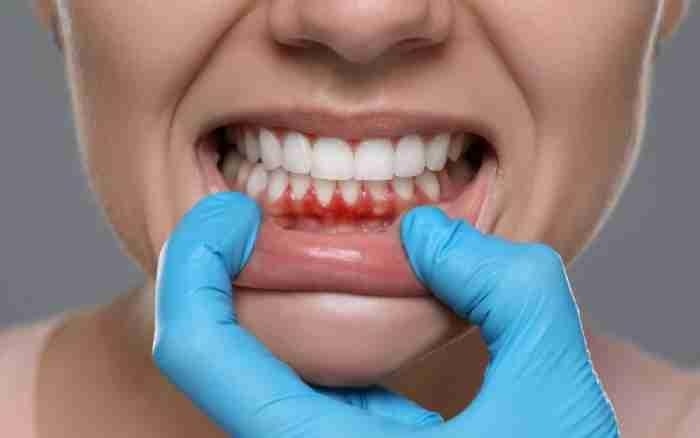
Things to Do Before Calling an Emergency Dentist

Fortunately, a little knowledge goes a long way when your tooth is in crisis. Need help? Contact emergency dentist Raleigh NC.

Assess the Situation Calmly

First and foremost, take a slow breath and assess what is actually happening. Dental emergencies can feel overwhelming, but panicking will only make things harder. Check whether you are dealing with a knocked-out tooth, a cracked or broken tooth, a lost filling or crown, or severe unexplained pain. Each situation calls for a slightly different immediate response, so identifying the problem clearly helps you act with purpose. Additionally, check for any bleeding or swelling, since both of these factors will be important information to share when you do call your dentist.

Handle a Knocked-Out Tooth with Great Care

If a tooth has been completely knocked out, time becomes your most valuable resource. Pick the tooth up carefully by the crown, which is the visible white part, and avoid touching the root at all. Next, gently rinse it with clean water if it is dirty, but do not scrub it or wrap it in a dry tissue. Ideally, place the tooth back in its socket and hold it there gently with your finger or by biting down softly. If that is not possible, store it in a small container of milk or between your cheek and gum to keep it moist. Dentists can often successfully re-implant a tooth if you act within 30 to 60 minutes.

Manage a Cracked or Broken Tooth

A cracked or broken tooth requires prompt but careful handling. Start by rinsing your mouth thoroughly with warm water to clean the area and remove any loose fragments. If the break has caused a sharp edge that irritates your cheek or tongue, cover it with a small piece of dental wax or sugarless gum as a temporary barrier. Furthermore, apply a cold compress to the outside of your cheek to reduce swelling and ease discomfort. Avoid chewing on that side of your mouth entirely until a professional examines and treats the tooth.

Control Pain and Swelling Effectively

While you wait to reach your dentist, managing pain and swelling is a top priority. Over-the-counter pain relievers such as ibuprofen work well for reducing both inflammation and discomfort. However, avoid placing aspirin directly on the gum or tooth, since this common myth actually causes tissue irritation rather than relief. Instead, apply a cold compress to your cheek in 15-minute intervals to keep swelling manageable. Additionally, clove oil applied gently with a cotton ball provides natural temporary relief for a throbbing toothache.

Conclusion: Things to Do Before Calling an Emergency Dentist

Ultimately, knowing how to respond in a dental emergency transforms a frightening moment into a manageable one. By staying calm, acting quickly, and following the right steps for your specific situation, you actively protect your tooth and improve your chances of a full recovery. These first few minutes matter enormously, so keep this guide in mind and always follow up with a professional as soon as possible.
Beyond the Gap: How Dental Implants Are Changing the Way We Think About Tooth Loss

Losing a tooth used to feel like the beginning of a long, frustrating road. For generations, people accepted gaps, ill-fitting dentures, and bridges as their only options. Today, however, dental implants are completely transforming that story. More patients than ever are discovering that tooth loss does not have to mean a permanent compromise in comfort, confidence, or function.

Impacts of Dental Implants for Tooth Loss

Let’s explore how dental implants Pittsburgh PA are changing smiles and shifting mindsets around the world.

What Dental Implants Actually Are

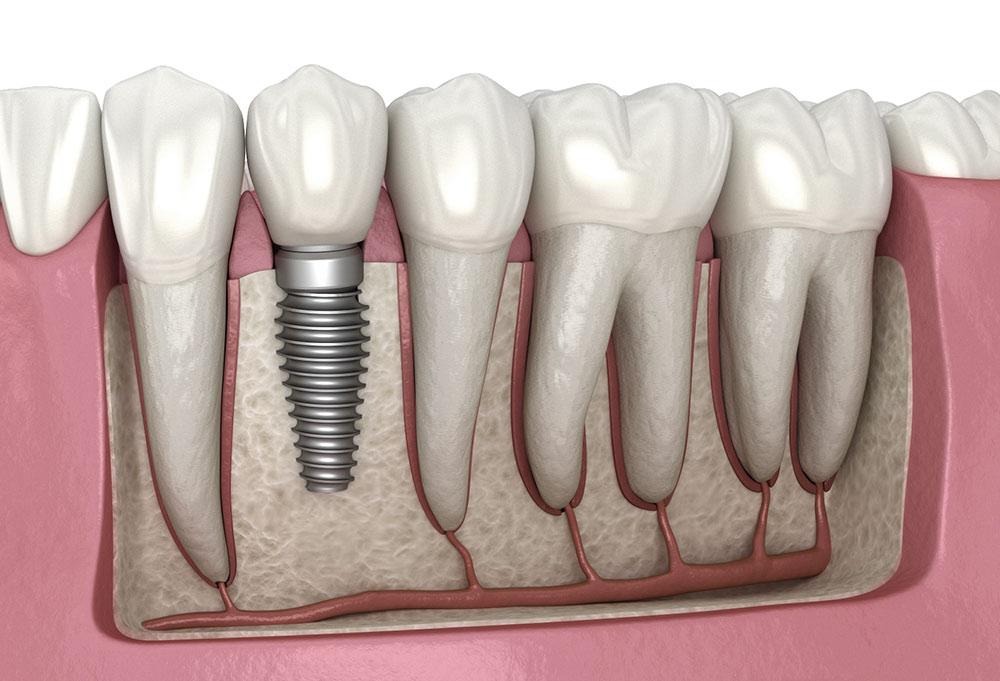
First of all, it helps to understand exactly what a dental implant is. Unlike dentures that sit on top of the gums, a dental implant is a small titanium post that a dentist surgically places directly into the jawbone. Over time, the bone naturally fuses with the titanium through a process called osseointegration, creating an incredibly stable foundation. A dentist then attaches a custom-made crown on top, producing a replacement tooth that looks, feels, and functions just like a natural one. Because the implant integrates with the bone itself, it behaves more like a real tooth than any other available solution.

Why Implants Outperform Traditional Options

For a long time, bridges and dentures were the standard answers to tooth loss, and while they certainly served their purpose, they came with noticeable limitations. Dentures can slip, cause soreness, and require messy adhesives to stay in place. Bridges, on the other hand, require grinding down healthy neighboring teeth to anchor the restoration. Dental implants, however, stand completely independently without affecting surrounding teeth at all. Furthermore, they restore nearly full biting force, allowing patients to eat the foods they love without restriction or worry.

The Surprising Benefits for Jawbone Health

One of the most important yet overlooked advantages of dental implants is what they do for the jawbone. When a tooth root is lost, the jawbone in that area begins to deteriorate because it no longer receives the stimulation it needs to stay dense and healthy. Over time, this bone loss can change the shape of the face, causing a sunken appearance that ages a person significantly. Fortunately, dental implants mimic the function of a natural tooth root and actively stimulate the bone, preventing that deterioration from occurring. As a result, patients preserve their facial structure and enjoy a more youthful appearance long-term.

Who Makes a Good Candidate for Implants

Most healthy adults who have lost one or more teeth can qualify for dental implants. Generally, a good candidate has sufficient jawbone density to support the implant, healthy gum tissue, and no uncontrolled medical conditions that might interfere with healing. Additionally, non-smokers tend to experience better outcomes, since smoking slows the healing process considerably. Patients who do not immediately qualify may still become candidates after preparatory treatments such as bone grafting. Therefore, a thorough consultation with a qualified implant dentist is always the best starting point.

Conclusion: Impacts of Dental Implants for Tooth Loss

Ultimately, dental implants represent far more than just a cosmetic fix. They protect jawbone health, restore full function, preserve facial structure, and genuinely rebuild confidence from the inside out. Thanks to continuous advances in implant technology, more people than ever can access this transformative solution. If tooth loss has been holding you back, it may be time to look beyond the gap and explore what dental implants can do for your life.